

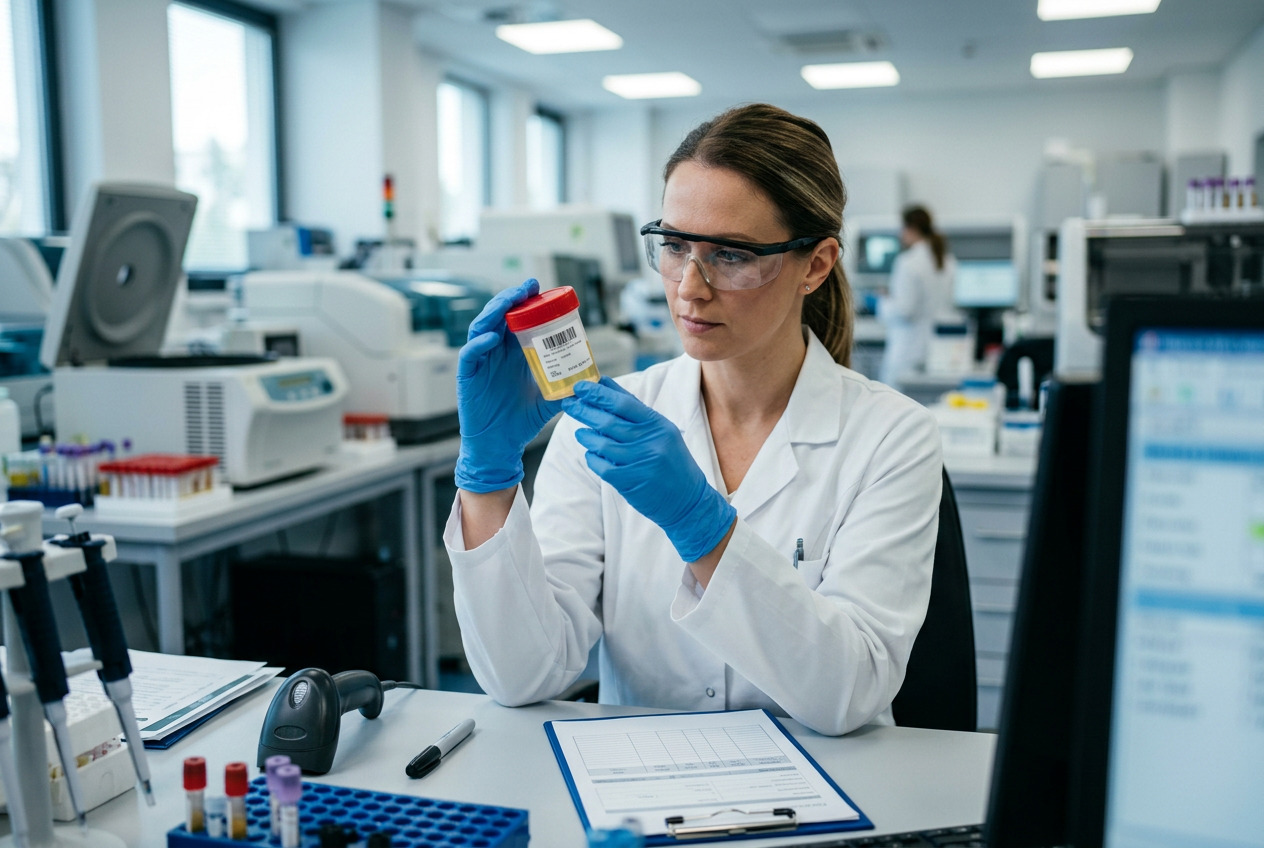
Workplace drug testing plays a vital role in fostering a safe and productive work environment. However, navigating unexpected results, such as false positives, can be challenging for employers. A false positive drug test occurs when a screening inaccurately identifies the presence of a prohibited substance. Employers must address these situations carefully to ensure compliance, maintain fairness, and protect employee privacy. Below, we’ll explore why false positives occur, the importance of confirmation testing, and how employers can handle these instances responsibly.
What Is a False Positive Drug Test?
A false positive drug test refers to an initial screening result that inaccurately detects a drug or controlled substance that an employee has not used. It’s crucial to understand that preliminary drug screening results are not definitive proof of substance use or impairment. These tests are designed to identify potential issues quickly, but they require confirmation to verify accuracy.
Employers should be cautious about jumping to conclusions based on initial workplace drug testing results. Reliable policies and thorough verification processes are essential to ensure that preliminary findings are reviewed and confirmed by certified professionals before taking any employment action.
Common Reasons Drug Screening Results May Be Unexpected
Unexpected drug screening results can arise from various factors. Understanding these common causes helps employers approach such situations with clarity and care:
- Medications and Prescription Drugs
Over-the-counter medications and prescriptions can sometimes trigger a false positive drug test. For example, certain decongestants or antidepressants may result in preliminary screenings detecting substances they were not designed to identify. - Testing Limitations and Cross-Reactivity
Drug screening technologies, while advanced, can sometimes produce inaccurate results due to cross-reactivity. This occurs when a test reacts to a compound structurally similar to the target substance, leading to a false positive outcome. - Sample Handling and Laboratory Procedures
Errors in sample collection, storage, or handling can also contribute to unexpected drug screening results. Mislabeling or contamination of samples during processing can result in inaccurate findings. Working with trustworthy laboratories reduces this risk.
Why Confirmation Testing and Professional Review Matter
To protect both the employer and the employee, confirmation testing is a critical step in handling unexpected results. This process employs more specific and sophisticated testing methods, such as gas chromatography-mass spectrometry (GC-MS), to confirm or refute the preliminary result with accuracy.
Employers should rely on accredited laboratories and trained medical review officers (MROs) to evaluate drug screening results. These professionals are qualified to interpret complex findings, ensuring that results are accurate and actionable. By basing decisions on confirmed results rather than preliminary screenings, employers avoid unnecessary disputes, legal risks, and erroneous employment actions.
How Employers Should Respond to Unexpected Drug Test Results
When encountering an unexpected drug screening result, employers should follow clear, documented processes to ensure procedural fairness. Here are key steps to take:
- Review and Confirm the Results
Always subject preliminary findings to confirmation testing before discussing them with the employee or making employment-related decisions. This ensures the result is reliable and definitive. - Maintain Employee Confidentiality
Drug screening processes should always protect employee privacy. Store results securely, limit access to authorized personnel, and handle all communications discreetly. - Follow Applicable Workplace Policies
Ensure that your response aligns with written workplace policies and complies with local, state, and federal regulations. Transparent guidelines reduce confusion and support consistent decision-making. - Communicate Fairly and Transparently
Meet with the employee in a respectful and private manner to discuss the situation. Avoid jumping to conclusions and provide them the opportunity to explain or present evidence, such as prescription medication documentation.
By adhering to these practices, employers create an environment of trust and professionalism, even in challenging situations.
Building Reliable Workplace Drug Testing Policies
Preventative measures often prove the most effective. Employers can reduce the likelihood of disputes and confusion by implementing clear and comprehensive workplace drug testing policies. Consider these best practices for building reliable procedures:
- Standardized Procedures
Develop consistent workflows for sample collection, testing, and result review. Ensure all steps are documented and communicated to employees during onboarding and policy updates. - Employee Education and Training
Train staff on drug screening protocols and explain policies clearly to employees. Understanding procedures fosters trust and lowers resistance to testing. - Periodic Policy Reviews
Regularly review drug testing policies to ensure they reflect current laws, industry standards, and organizational needs. Updates to technology or legal requirements should factor into these reviews. - Partnership with Reliable Providers
Collaborate with credible workforce risk management partners, such as Plexus Global, to provide compliant and efficient drug screening services. A trustworthy provider simplifies the process and ensures regulatory alignment.
By establishing robust drug testing policies, employers demonstrate their commitment to both safety and fairness, fostering workplace integrity and minimizing hiring risks.
Final Thoughts on Handling Drug Screening Results
Handling unexpected drug screening results, like false positives, requires diligence, fairness, and adherence to established procedures. Employers must rely on confirmation testing and professional review to ensure accuracy before taking action. By maintaining clear workplace drug testing policies and safeguarding employee privacy, businesses can manage these situations effectively while avoiding unnecessary disruption or conflict.
Ready to strengthen your workforce with smarter, safer screening practices?
Plexus Global helps employers across California and the U.S. navigate background screening with clarity, compliance, and confidence.
📞Contact us today or visit our social media accounts (Facebook, Twitter, and LinkedIn)!to learn how we can support your hiring goals